
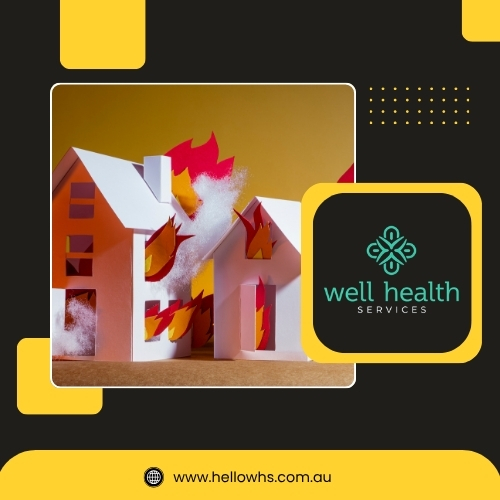
Fire safety is an important part of maintaining a safe and healthy home environment. For people living with disability, older adults, and families with support needs, reducing fire risks around the home can help prevent injuries, property damage, and emergency situations.
Many common household fire hazards develop gradually through poor maintenance, clutter, faulty equipment, or neglected outdoor areas. Regular home and garden maintenance plays a key role in identifying and reducing these risks before they become dangerous.
In this article, we’ll explore common fire hazards around the home and explain how proper maintenance can help keep households safer.
Common Fire Hazards Around the Home
Fire hazards can exist both inside and outside a property. Some risks may seem minor at first but can quickly become serious if ignored.
Overgrown Grass and Dry Vegetation
Dry grass, leaves, branches, and overgrown gardens can become highly flammable, especially during hot and dry weather conditions.
Common outdoor risks include:
- Dry lawns
- Dead plants and shrubs
- Leaf build-up in gutters
- Untrimmed trees near buildings
- Piles of garden waste
These materials can ignite easily and allow fires to spread rapidly.
Blocked or Dirty Gutters
Leaves and debris in gutters are one of the most overlooked fire hazards around the home.
During bushfire season or extreme heat, dry gutter debris can catch fire from:
- Embers
- Sparks
- Nearby flames
Regular gutter cleaning helps reduce this risk significantly.
Faulty Electrical Equipment
Damaged electrical appliances and wiring are major causes of household fires.
Potential hazards include:
- Frayed cords
- Overloaded power boards
- Faulty appliances
- Damaged switches or outlets
- Unsafe extension cord use
Routine inspections and repairs can help identify issues early.
Clutter and Storage Build-Up
Excess clutter can increase fire risks and block emergency exits.
Items that commonly contribute to hazards include:
- Cardboard boxes
- Paper stacks
- Flammable liquids
- Unused furniture
- Storage near heaters
Keeping living areas organised improves both fire safety and accessibility.
Cooking and Kitchen Hazards
Kitchens are one of the most common areas for household fires.
Risks may involve:
- Unattended cooking
- Grease build-up
- Faulty kitchen appliances
- Tea towels or paper near stovetops
Regular cleaning and safe cooking practices are essential for prevention.
How Regular Maintenance Helps Prevent Fires
Home maintenance is one of the most effective ways to reduce fire hazards before they become emergencies.
Lawn and Garden Maintenance
Routine outdoor maintenance can:
- Remove dry vegetation
- Reduce fuel for fires
- Improve visibility around the property
- Prevent overgrowth near buildings
Services such as lawn mowing, hedge trimming, and garden clean-ups are especially important during warmer months.
Gutter Cleaning
Cleaning gutters regularly helps:
- Prevent dry leaf accumulation
- Improve water drainage
- Reduce ember ignition risks
- Protect roofing structures
This simple maintenance task can significantly improve household fire safety.
Smoke Alarm Maintenance
Smoke alarms save lives, but they must be properly maintained.
Regular checks should include:
- Testing alarms
- Replacing batteries
- Ensuring alarms are functioning correctly
- Replacing outdated units when necessary
Working smoke alarms provide early warning during emergencies.
Electrical Safety Checks
Professional inspections can identify:
- Faulty wiring
- Damaged appliances
- Unsafe electrical setups
- Overloaded circuits
Addressing electrical issues early helps reduce the likelihood of electrical fires.
General Cleaning and Decluttering
Maintaining a clean home can:
- Remove flammable materials
- Improve emergency access
- Reduce trip hazards during evacuations
- Create safer living conditions overall
Simple organisation and regular cleaning contribute to better fire preparedness.
Fire Safety for People Living With Disability
People living with disability may face additional challenges during emergencies, including:
- Reduced mobility
- Slower evacuation times
- Sensory impairments
- Difficulty responding quickly to danger
Because of this, maintaining a safe home environment becomes even more important.
Preventative maintenance can help:
- Keep exits clear
- Improve access pathways
- Reduce emergency risks
- Support safer independent living
For some NDIS participants, low risk home maintenance supports may assist with tasks that help improve home safety.
Practical Fire Prevention Tips
Homeowners and residents can improve safety by:
- Keeping outdoor areas tidy
- Cleaning gutters regularly
- Avoiding overloaded power boards
- Storing flammable materials safely
- Testing smoke alarms monthly
- Keeping exits accessible
- Scheduling regular maintenance checks
Small preventative actions can make a major difference.
The Importance of Preventative Maintenance
Preventative maintenance is not just about appearance — it is about protecting people, homes, and communities.
Regular upkeep can:
- Reduce emergency risks
- Improve household safety
- Prevent expensive damage
- Increase peace of mind
- Support independent living
Consistent maintenance is one of the simplest and most effective ways to lower fire risks around the home.
Final Thoughts
Fire hazards can develop quietly over time, but regular home and outdoor maintenance can greatly reduce the risk of dangerous situations. From clearing dry vegetation and cleaning gutters to checking smoke alarms and reducing clutter, preventative care helps create a safer living environment for everyone.
For people living with disability, proper maintenance is especially important in supporting safety, accessibility, and independence at home. By staying proactive and maintaining the property regularly, households can improve fire safety and enjoy greater peace of mind year-round.